


Damage assessment, better trade terms, and emerging opportunities
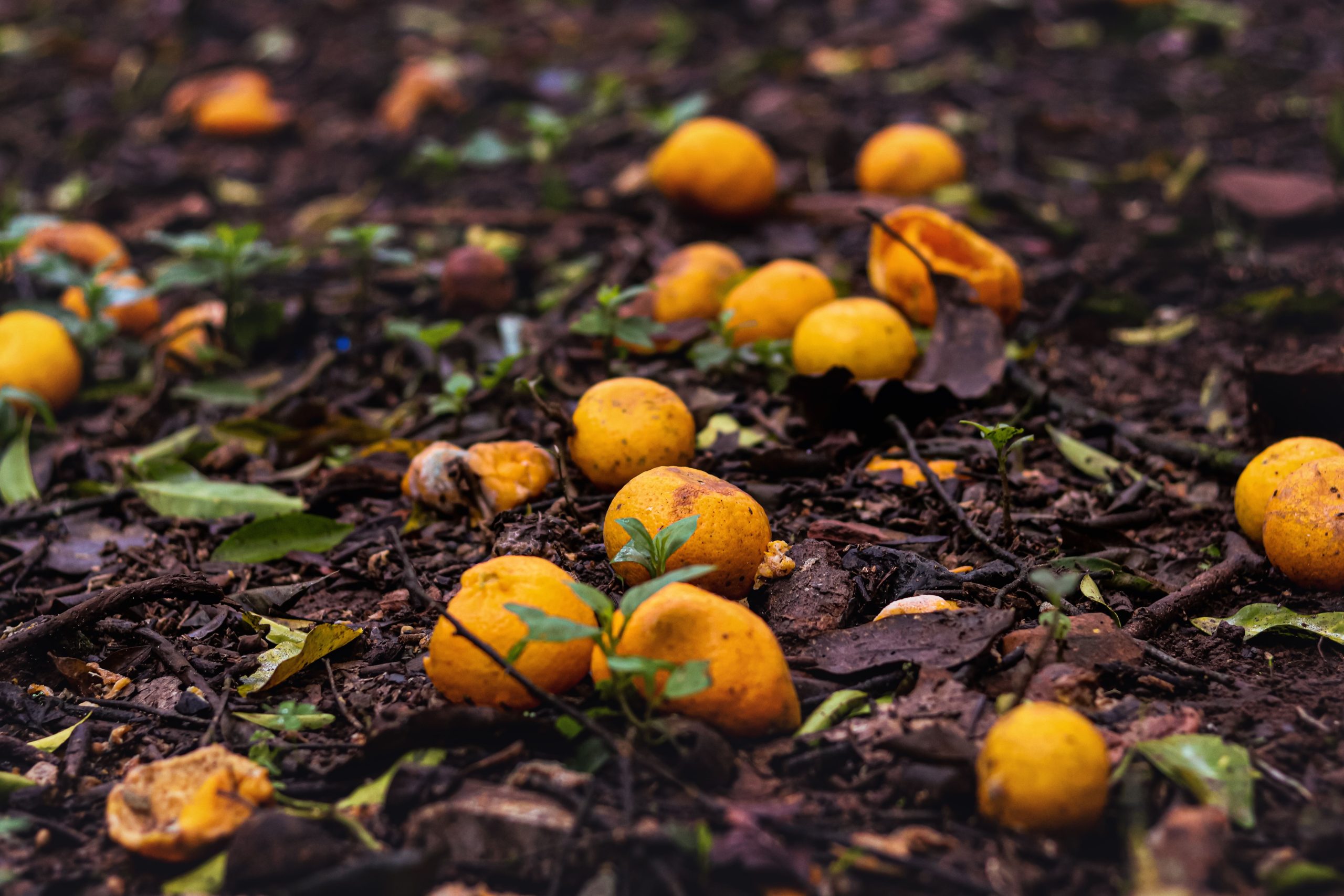
The Citrus Growers Association’s (CGA) initial assessments of Eastern Cape and Western Cape flooding in May indicate that recent severe weather will cause a decrease in expected export estimates from flood-damaged areas. Exact figures are difficult to quantify at this stage as some growers have not yet accessed orchards to closely assess damage and fruit drop may also be delayed. Generally, it is mainly orchards situated close to rivers that bore the brunt of the flooding, while the majority of orchards received rainfall without damage and are able to supply high-quality fruit. Growers in these areas have worked hard to recover from flood-related delays. The past few days saw more rain in the Eastern Cape. However, while export volumes are being revised downward, the integrity and reliability of supply to international markets remains intact.
Patensie has been significantly affected and saw orchards, farm structures, and road infrastructure damaged. The timing of the rain was particularly challenging, as the citrus season was just beginning to gain momentum. It should be noted that, in terms of overall timing and progression, the season is not running later than last year and is two to three weeks ahead in some regions. In the Western Cape the overall damage appears less severe, with key access routes remaining operational.
Infrastructure improvement and river management works implemented by the provincial government over the past two years have saved lives and safeguarded a citrus export season for the Olifants River Valley.
As the CGA, we also welcomed the immediate declaration of a national state of disaster but also support the call by SATI for both provincial and national government authorities to provide increased disaster relief and recovery support. This came at an already difficult time for growers, who are navigating economic disruptions due to the war in the Middle East.
Our thoughts remain with farming communities across these regions; many of whom have been dealing with both immediate losses and the longer-term implications of infrastructure damage. Expectations at the beginning of the year were for a strong season but this has since turned out to be one requiring a high degree of adaptability from producers and exporters alike, but we are up for the challenge.
An incremental approach to better trade terms within BRICS
Recently, the CGA took a group of diplomats from the Chinese Embassy to a farm in the Groblersdal region to give them direct exposure to our industry. The visits come at a real cost to growers and their teams, especially at a time when citrus operations are ramping up during the busy start of the season. Any official visit can add pressure to an already demanding schedule. We remain tremendously grateful to the growers and their teams for their willingness to make these visits possible and for being great hosts. This kind of exposure gives diplomats a tangible, first-hand understanding of how our citrus is grown and how it is handled before it reaches its destination market. It allows for an appreciation of the high quality of our citrus, which consumers in their home country get to enjoy. It also aligns closely with the industry’s Grow, Retain and Optimise (GRO) strategy for the markets we serve.
India has assumed the BRICS Chairmanship this year and thus a number of Ministerial level visits will be undertaken as result, offering opportunity to further advance market access objectives. Our focus on that market always remains firm. India, the world’s most populous country, represents a significant growth opportunity. Our market development programme there, now in its second year, continues to gain traction under the message: “beautiful country, beautiful fruit, exceptional taste.” Encouraging export growth in the past year suggests that this targeted approach is beginning to deliver results. At home, agriculture continues to be recognised as a vital contributor to economic growth, employment, and rural livelihoods. Within this context, the citrus industry plays a leading role. Recent developments, such as the amended export protocol for China and the implementation of tariff-free access into that market, are particularly promising. China remains a cornerstone of our global ambitions. However, unlocking the full potential of these opportunities will require continued progress on trade negotiations.
We urge the Department of Trade to accelerate discussions with both China and India, key partners within BRICS. Ultimately, our success lies in combining on-the-ground excellence with strategic market engagement. By continuing to invest in relationships, showcase our capabilities, and pursue new market opportunities, we position South African citrus for sustained growth and resilience in the years ahead.
Support and opportunity amid the challenges
South Africa’s agricultural exports reached R268.7 billion in the fourth quarter of 2025, as pointed out by Minister Steenhuisen in his budget speech delivered on 15 May 2026. Work on market access has progressed somewhat, with protocol improvement and tariff-free market access to China. The first set of tariff-free consignments are reportedly beginning to arrive in China. These exports came amid turbulence in the global market and with many countries adopting restrictive trade policies. At the beginning of this year, we saw a further deterioration in the environment, with the war in the Middle East as well as the unnecessary strengthening of food safety policy in the European Union.
The Minister also spoke about inclusivity and how growth in agricultural exports can facilitate inclusive growth, particularly for smallholder and subsistence farmers. The war in the Middle East has led to costs that are beginning to filter through the value chains and affect all of us. Challenges in the trade environment, whether increased input costs, tariffs, or other related compliance costs, are a burden to farmers, but are even more onerous for small and emerging farmers, which may push them out of the sector, effectively making these burdens a barrier to entry. Growth in agriculture is essential to any real economic improvement in our country. It will contribute to job creation across the country, but rural areas in particular are the biggest beneficiaries.
This also comes amid challenges posed by diseases and biosecurity. We are also having to contend with climate-related issues impacting growers in the north of the country, the Eastern Cape, and the Western Cape. These regions have experienced varying degrees of damage related to flooding. Having spent time on the ground in some affected regions these past two weeks and having spoken to some who experienced the damage – especially those in the Gamtoos Valley – what remains clear is the extraordinary resilience of our farming community. As an association, we stand firmly alongside every affected grower, making sure no one faces this challenge alone.
Smallholder and emerging farmers are especially vulnerable to climate events such as these, and it is here that support has also to be expedited. However, support alone is not enough. In many instances, these farmers are also unable to raise capital on their own as a result of the lack of title deeds. Whilst this does not fall under the Ministry of Agriculture, it is here that government policy needs strengthening, in my view, as these farmers would then improve their resilience to external shocks, including droughts and floods, because they could access capital markets and source financial solutions appropriate to their circumstances.
Dr Boitshoko Ntshabele, CEO, Citrus Growers Association