


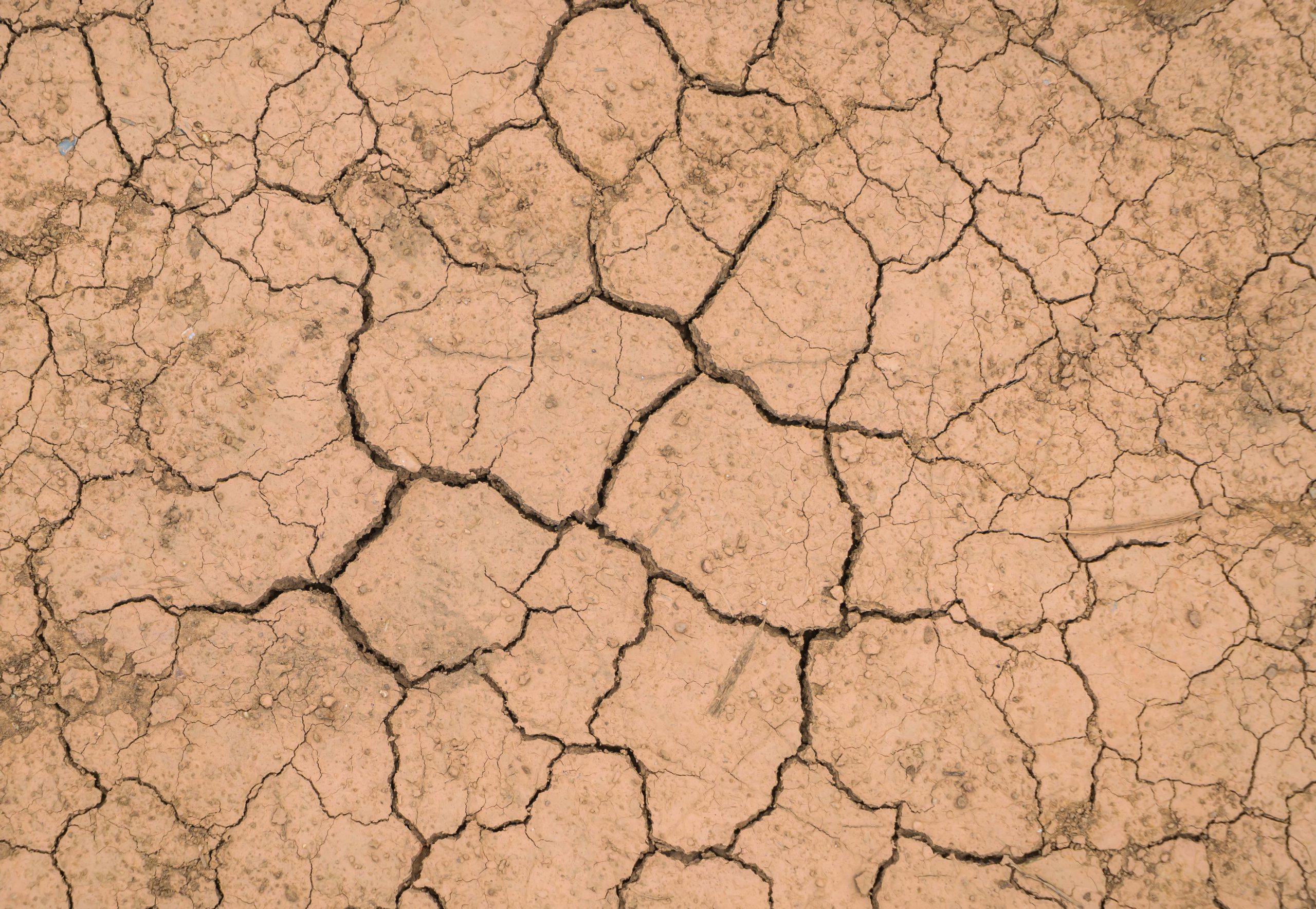
Why South Africa is losing more water than it realises – and what farmers can do about it.
Across South Africa, the conversation around water is often dominated by drought, failing infrastructure, and the looming threat of “Day Zero”. While these are very real concerns, there is a quieter crisis unfolding across farms, smallholdings, and rural communities, one that receives far less attention, yet has immediate and practical solutions.
We are losing significant volumes of water not only through broken municipal systems, but through something far closer to home: poorly sealed and inefficient earth dams.
The hidden problem beneath the surface
Earth dams are the backbone of water storage in much of South Africa’s agricultural sector. From livestock watering to irrigation and game farming, these dams are essential. Yet many of them are underperforming, not because of lack of rainfall, but because of unseen seepage.
Unlike evaporation, which is visible and expected, seepage often goes unnoticed. A dam may appear stable on the surface while steadily losing water through its base and walls. Over time, this can result in substantial losses, particularly in areas with sandy or porous soils.
In my experience working with farmers across different regions, it is not uncommon to find dams losing a meaningful percentage of their stored water without the owner realising the extent of the problem. In a water-scarce country, this is a loss we can no longer afford.
A shift in thinking: From water supply to water retention
South Africa’s water challenge is often framed as a supply issue, building more dams, drilling more boreholes, or expanding infrastructure. However, the reality is that increasing supply is expensive, time-consuming, and in many cases no longer feasible at scale.
What we need, alongside long-term infrastructure solutions, is a shift in mindset: We must become far more efficient at retaining the water we already have.
For farmers, this begins with asking a simple but critical question: Is the water I have actually staying where it should?
Understanding why dams fail
There are several reasons why earth dams lose water:
- Soil composition: Sandy or rocky soils allow water to pass through easily.
- Poor compaction: Dams that were not properly compacted during construction are more prone to leakage.
- Biological factors: Roots, burrowing animals, and organic matter can create pathways for water to escape.
- Age and wear: Over time, even well-built dams can develop cracks and weaknesses.
- These issues are not always visible, which is why they are so often overlooked.
Practical steps farmers can take
Improving water retention does not necessarily require large-scale rebuilding. In many cases, practical interventions can significantly improve dam performance.
- Regular inspection: Look for signs such as unexplained drops in water level, persistently wet areas downstream of the dam wall, or changes in soil condition.
- Understand your soil: Knowing whether your dam sits in clay, loam, or sandy soil can help determine its natural ability to retain water.
- Address leaks early: Small seepage issues can quickly develop into major structural and water loss problems if left untreated. Early intervention remains the most cost-effective approach, but it is equally important to use the right solution for the specific conditions. For example, products like DAMFIX Wet are designed to penetrate into the soil and seal active leaks by binding soil particles and reducing permeability from within. This makes it particularly effective for addressing existing seepage without the need for extensive reconstruction.
- Consider sealing and rehabilitation options: There are several proven methods available to improve dam sealing, depending on the soil type and condition of the structure. These include solutions such as Flexi Linings, Sodium Bentonite, or polymer-clay advanced sealers like DAMFIX Dry. Each option offers different benefits, from physical barriers to chemical bonding within the soil, and should be selected based on a proper assessment of the dam.
- Think long-term: A well-maintained dam is not just a seasonal asset, it is part of a long-term water security strategy for the farm.
Water security starts locally
While national infrastructure challenges will take time to resolve, farmers and landowners are not without agency. In fact, local water management is becoming increasingly important in building resilience against both drought and system failures.
A well-functioning dam can mean the difference between surviving a dry season and facing significant losses. It can also reduce reliance on external water sources, which are becoming less predictable.
A changing climate demands smarter management
South Africa is experiencing more erratic weather patterns, longer dry spells, followed by intense rainfall events. This makes it even more important to capture and retain water when it is available.
Every drop that seeps away unnecessarily is a missed opportunity.
A call to rethink what we already have
The conversation around water in South Africa needs to expand beyond scarcity alone. It must include efficiency, maintenance, and the optimisation of existing resources.
Before we ask where we will find more water, we should first ask how much we are currently losing, and what we can do to stop it.
In many cases, the most immediate gains are not in new supply, but in better stewardship of what we already have.
Belinda Boer, Dam Sealing Expert & DAMFIX Application Specialist