


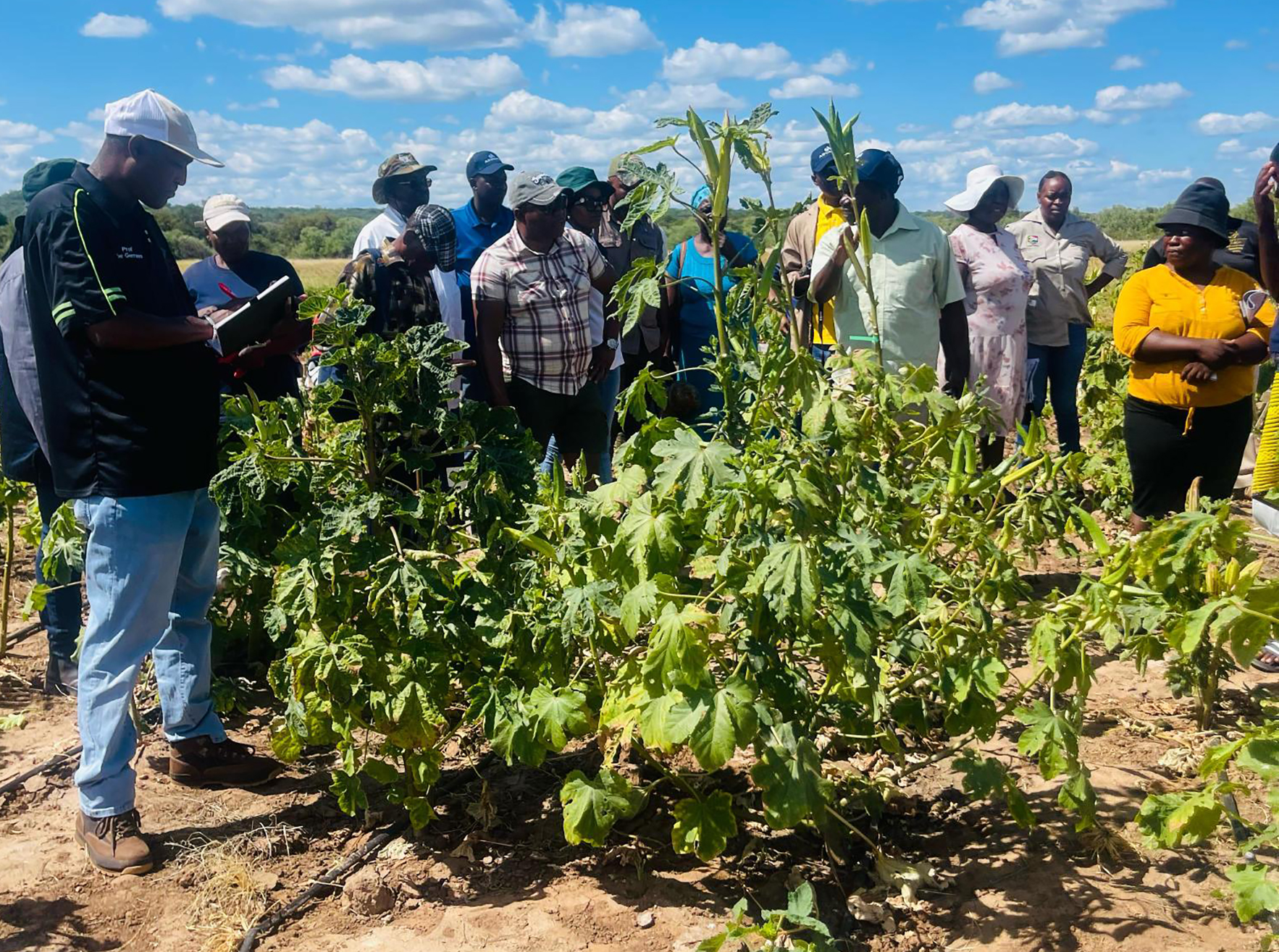
Okra could boost biofuel production
The pods of okra (Abelmoschus esculentus), commonly known as “lady’s finger,” make it one of the most nutrient-dense vegetables crops widely cultivated in tropical and sub-tropical regions of the world. The production of okra biomass varies due to the variation between the genotypes, environments, and management practices. The high biomass production is important for both food, animal feed and other uses such as biofuel. The key factors including soil management, irrigation, fertilizer application, proper spacing and planting practices and variety selection significantly influence the production potential of okra for food, feed, and biofuel. Okra is one of an opportunity and underutilized crop which is a promising substrate for producing biodiesel.
The biomass of okra is the leftover residue of the plant including roots, shoots, and stems. The okra biomass plan parts such as stems, roots, and leaves can be used to produce biofuel (producer gas, charcoal, etc.). The biomass of the plant is determined by weighing the overall part of the plant individually and the root and shoot separately of an individual plant on the same day. The okra biomass fuel generated from okra plant parts offer a promising opportunity for reducing reliance on non-renewable sources. Moreover, okra can serve as a valuable component in animal feed formulations, further enhancing its utility and potential impact on the livestock production. The dried biomass of the plant parts, converted into powder form, is used for bioenergy production after complete drying for improved quality.
Unfortunately, the potential utilization of leftover plant biomass is often overlooked, and no emphasis given to the research focus in South Africa. This study uniquely centres on the exclusive assessment of biomass production and yield in different okra varieties. Given the limited existing research on okra genotypes that simultaneously yield the highest biomass and yield, there exists a notable gap in knowledge on this topic. To bridge this gap and address challenges encountered during cultivation, including those related to environmental factors and farmers’ practices, the research focuses on evaluating different okra genotypes imported from different parts of the world for agronomic and biomass production. The research aims to contribute valuable knowledge to an underexplored area, shedding light on okra genotypes that can potentially maximize both agronomic performances focussing on yield and biomass production. Hence, okra is an easily cultivated plant which could yield high return to the farmer if utilized as a source of energy (biofuel) in South Africa.
Professor Abe Shegro Gerrano and Dr Mariette Truter, Agricultural Research Council-Vegetables, Industrial and Medicinal Plants