


The untapped potential of agri-tourism in KwaNdaba
Located in northern KwaZulu-Natal, KwaNdaba is a community rich in both culture and agricultural heritage. Its beautiful landscapes, traditional farming systems, and deeply rooted customs make it an ideal setting for agri-tourism which is a growing global trend that combines agriculture with cultural and eco-friendly tourism. For generations, the people of KwaNdaba have lived in harmony with the land. Farming is more than just a source of food in this community it is a way of life that reflects values of unity, resilience, and respect for nature. The community’s practices from communal ploughing and cattle rearing to seed preservation and indigenous food preparation could provide visitors with an authentic glimpse into traditional Zulu rural life. These cultural and agricultural expressions could serve as the cornerstone of a vibrant local agri-tourism economy.
Recently, this connection to the land took on new meaning after training offered by Agritourism Africa, which introduced local farmers to the possibilities of turning their farming and cultural practices into sustainable tourism opportunities. This training opened their eyes to how their everyday activities from planting and fishing to storytelling could attract visitors seeking authentic rural experiences. Agri-tourism offers a unique opportunity for visitors to experience KwaNdaba’s rural lifestyle firsthand. Tourists could participate in farm tours, where they learn about traditional methods of cultivating using indigenous knowledge of soil and weather patterns. Others could take part in livestock management activities, such as herding cattle or understanding the cultural significance of livestock in Zulu ceremonies.
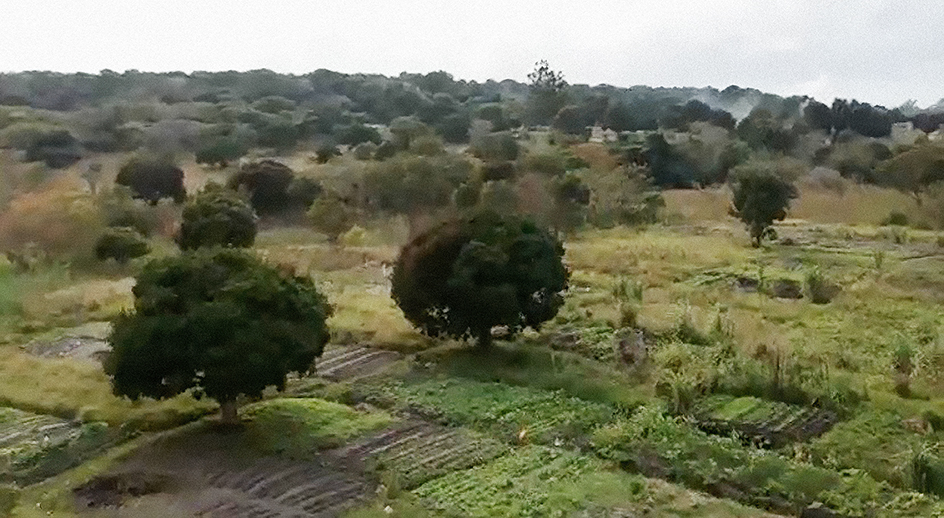
At the heart of KwaNdaba’s agricultural activity lies the Mandlankunzi fields, an expansive stretch of fertile land nourished by a river that flows directly from the Pongola Dam. This river is the lifeline of the community sustaining crops, livestock, and even leisure activities. Farmers often spend their days in these fields, where they plough, plant, and harvest using indigenous knowledge of soil and weather patterns. Beyond farming, the river provides a setting of quiet beauty and daily adventure. Men and youth often engage in canoeing, using boats they craft themselves from local materials, demonstrating the community’s creativity and practical skills.
Fishing is another important part of life at Mandlankunzi. Using traditional and legal methods, residents set up nets and handmade fish traps along the river’s edges: a practice that is both a source of food and a reflection of their intimate relationship with nature. Visitors could witness or even participate in these activities, learning how the community harmoniously combines tradition, innovation, and environmental care in their everyday routines.
The area’s rich cultural life adds another layer of attraction. Visitors could join in seasonal celebrations, watch traditional dance performances, or enjoy storytelling sessions around the fire. Local women, known for their creativity and community spirit, could host workshops on beadwork, basket weaving, and cooking traditional dishes using locally grown produce.
Introducing agri-tourism in KwaNdaba could play a transformative role in rural economic development. It would diversify income sources for smallholder farmers, empower women and youth through entrepreneurship, and create new market opportunities for local produce. Visitors seeking authentic, off-the-beaten-path experiences increasingly prefer destinations that combine culture, nature, and sustainability and KwaNdaba has all these elements. Moreover, agri-tourism promotes environmental conservation by encouraging farmers to maintain traditional, eco-friendly methods of production. It also strengthens cultural preservation, as local practices and rituals gain renewed relevance and pride when shared with visitors.
However, realizing this potential requires investment in key areas. Infrastructure such as access roads, signage, and visitor facilities must be developed. Training farmers in hospitality and business management would be essential to ensure quality experiences for tourists. Strategic partnerships between the community, local government, and tourism boards could also help market KwaNdaba as a destination for sustainable cultural and agricultural tourism.
KwaNdaba stands at the crossroads of heritage and opportunity. Its agricultural traditions, spiritual connection to the land, and vibrant cultural expressions position it perfectly for agri-tourism development. By embracing this approach, the community can build a more inclusive and resilient rural economy one that celebrates both the wisdom of the ancestors and the promise of the future. Agri-tourism in KwaNdaba is not just about attracting visitors, it’s about reclaiming pride in culture, sustaining livelihoods, and nurturing the land that sustains us all.
Noluthando Ngcobo, Research Assistant, Agricultural Research Council
ngcobon1@arc.agric.za