

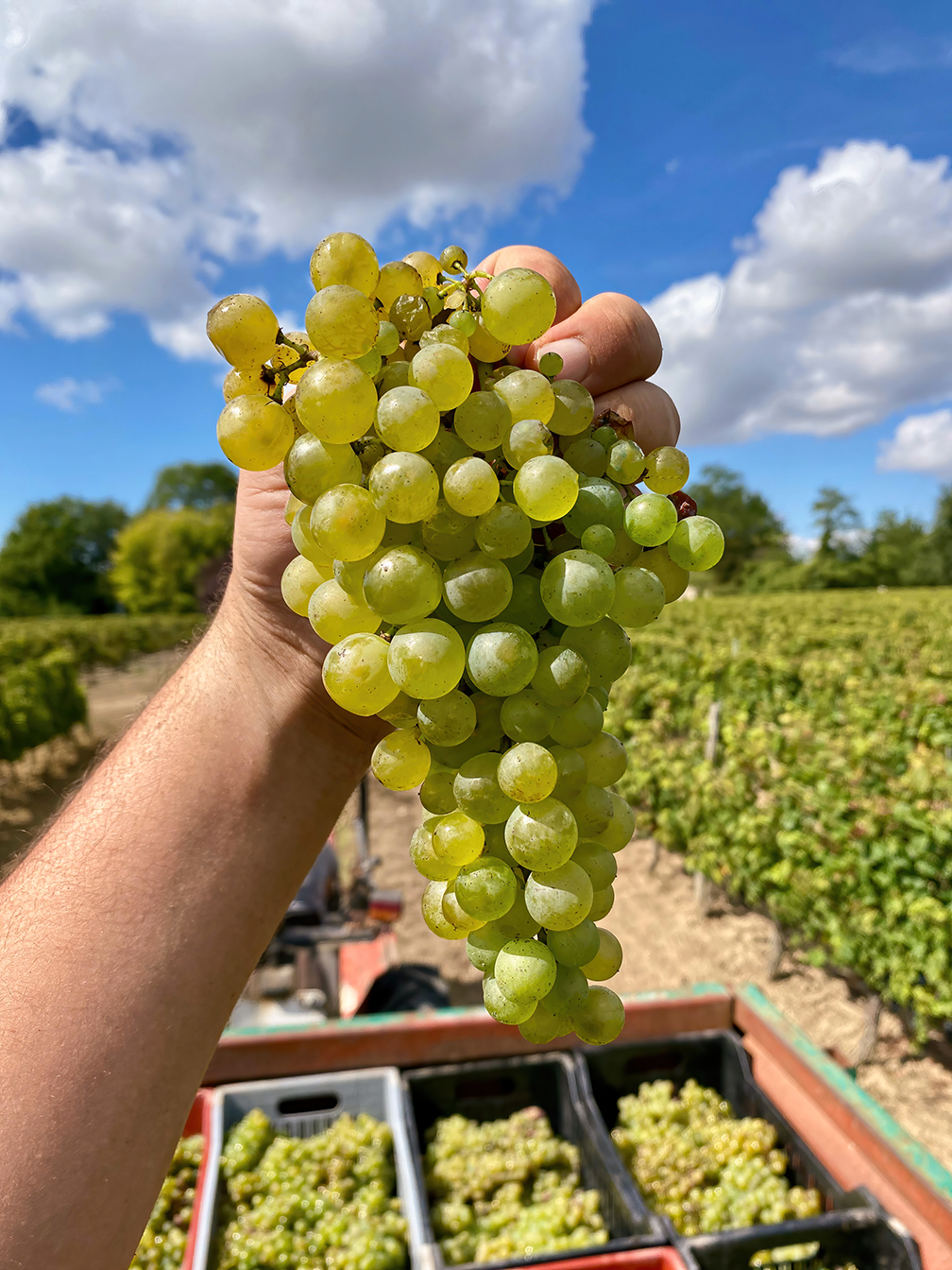
How mobile cold storage supports wine farms at harvest
Harvest is one of the most demanding and rewarding periods on any wine farm. Weeks of preparation lead to a short, intense window where fruit quality must be protected from the moment it leaves the vine. As ripening becomes more unpredictable and heat spikes more frequent, managing grape temperature has become just as important as choosing the right picking date. Producers across South Africa have begun adapting to these conditions by incorporating additional, flexible cooling solutions into their harvest workflow.
Refrigerated containers (reefers), long used in agriculture and food logistics, are proving especially useful for wineries that need additional temperature control during peak periods.
The appeal of these units lies in how straightforward they are to use: they offer reliable, consistent cooling and can be placed exactly where they are needed. Many farms position them beside the vineyard, next to the receiving area, or close to the cellar—anywhere grapes would normally warm up while waiting for processing.
This practical shift reflects a broader change in harvest strategy. Instead of relying entirely on fixed cooling infrastructure, winemakers are now supplementing their systems with mobile capacity that provides a buffer during unpredictable conditions. This doesn’t replace established cellar cooling; rather, it helps protect fruit quality when harvest pressure is at its highest.
Temperature affects grapes in several ways. Warm fruit loses aromatics more easily, is more prone to oxidation, and encourages rapid microbial activity. In some cases, spontaneous fermentation may even begin in the bins if grapes aren’t cooled quickly enough. For aromatic varieties and for producers who work with delicate white cultivars, these early temperature swings can noticeably influence elegance, freshness, and the fine details of the wine.
Why Cooling Early Makes the Biggest Difference
By cooling fruit earlier—even immediately after picking—wineries gain far more stability. This is where mobile cooling units have become so valuable. Reefers provide precise, steady temperature control, which helps ensure grapes arrive at the cellar in a consistent condition. Cellars facing intense harvesting days often use reefers as temporary storage until processing can begin, easing pressure on staff and equipment. Instead of rushing to avoid fruit warming, teams can work calmly and in the order that best suits the cellar’s flow.
These mobile units are also valuable from a logistical point of view. Harvest rarely unfolds in a perfect sequence. Ripening can compress into just a few days; blocks that were weeks apart suddenly ripen together. A reefer gives the farm flexibility to manage unexpected surges in intake. And because the units are temporary, farms only use them for the weeks they are needed most.
This is particularly helpful for estates working across multiple sites. Grapes harvested far from the main cellar can be cooled before transport, which reduces the risk of temperature spikes along the journey. Producers in warmer inland regions have also found that reefer placement in the vineyards stabilises fruit temperature even before the grapes reach the tractor trailer.
While these benefits are technical, their impact is very human. Cellar teams experience less pressure. Sorting lines can run more smoothly. Winemakers gain the space to make decisions calmly rather than react to rising temperatures. Harvest becomes more manageable, even during the busiest moments.
It is in this practical space that Almar Container Group plays a role. Having supplied container-based solutions for almost 40 years, Almar has worked alongside agricultural, industrial, and commercial clients across Africa and the Middle East. For wine farms, the company provides both flexible leasing options and container sales, allowing producers to choose what suits their harvest planning, budget, and long-term infrastructure.
Some wineries lease reefers only during harvest, while others incorporate them more regularly as part of cellar logistics. The flexibility is particularly useful for farms that experience varying volumes from year to year or that prefer not to invest in permanent structures. Almar’s approach is grounded in understanding these real-world need—a mindset reflected in their commitment to partnering and solving with customers rather than offering one-size-fits-all solutions.
In practice, this means helping farms determine the right container size and the right placement on the property. It also means ensuring the units operate efficiently during the season’s most demanding weeks. Many producers appreciate having a partner who understands both the operational pressure of harvest and the importance of maintaining fruit quality through temperature stability.
Across South Africa, the use of mobile cooling has become increasingly common, particularly as weather patterns shift and ripening becomes less predictable. Inland farms facing warm nights use reefers to stabilise fruit immediately after picking; coastal estates working with aromatic whites use rapid cooling to protect delicate compounds; expanding vineyards use mobile cooling to offset infrastructure strain during peak weeks. In each case, the goal is simple: protect the grape until it reaches the press.
Harvest will always be a fast, demanding period, and no technology can remove the urgency entirely. But mobile cooling gives winemakers a way to manage that pressure with more confidence. Instead of reacting to heat or unpredictable picking windows, farms gain the ability to maintain quality from vineyard to cellar.
This is ultimately why these systems are being adopted: not to replace traditional practices, but to support them. Reefers offer a practical, dependable layer of protection during the period when grapes are most vulnerable. For many wine farms, they have become part of the seasonal toolkit — not because they are dramatic or complex, but because they make harvest work smoother, safer, and more consistent.
And as Almar nears 40 years of experience in supplying containerised solutions, the company continues to support farms with the same focus that defined its early years: listen carefully, understand the challenge, and partner and solve alongside the customer. In an industry where timing and temperature can shape an entire vintage, this kind of support is not just helpful–it is invaluable.