


Women’s untapped potential in South Africa’s hemp value chain.
Smallholder farming is a lifeline for millions of households in South Africa, with more than two million household farmers compared to only 35000 to 40000 commercial farmers. Women are at the centre of household farming, particularly in rural areas where nearly half of rural households (47.1%) are headed by women, according to the 2024 Statistics South Africa Household Survey. Stats SA shows that the majority of South African households that engage in agriculture do so in an attempt to secure an additional (75.5%) or a main (12.6%) source of food for their households. With the unemployment rate currently at 31.4%, the role of women in smallholder farming is not just about food production, it is about survival in the face of high unemployment and poverty, making women smallholder farmers critical to both household resilience and the broader fight against unemployment and poverty.
Hemp (Cannabis sativa L.) was declared an agricultural crop in South Africa under the Plant Improvement Act (PIA) 53 of 1976 in 2021, which allows for the importation, exportation, cultivation, sale, and research of hemp. In 2025, the Act was repealed and replaced by the Plant Improvement Act 11 of 2018, which was significantly updated. One of the most significant updates on the new Act is the revised definition of hemp varieties in South Africa, which has seen the acceptable THC level for hemp plants or parts of the plants increase from 0.2% to 2%.
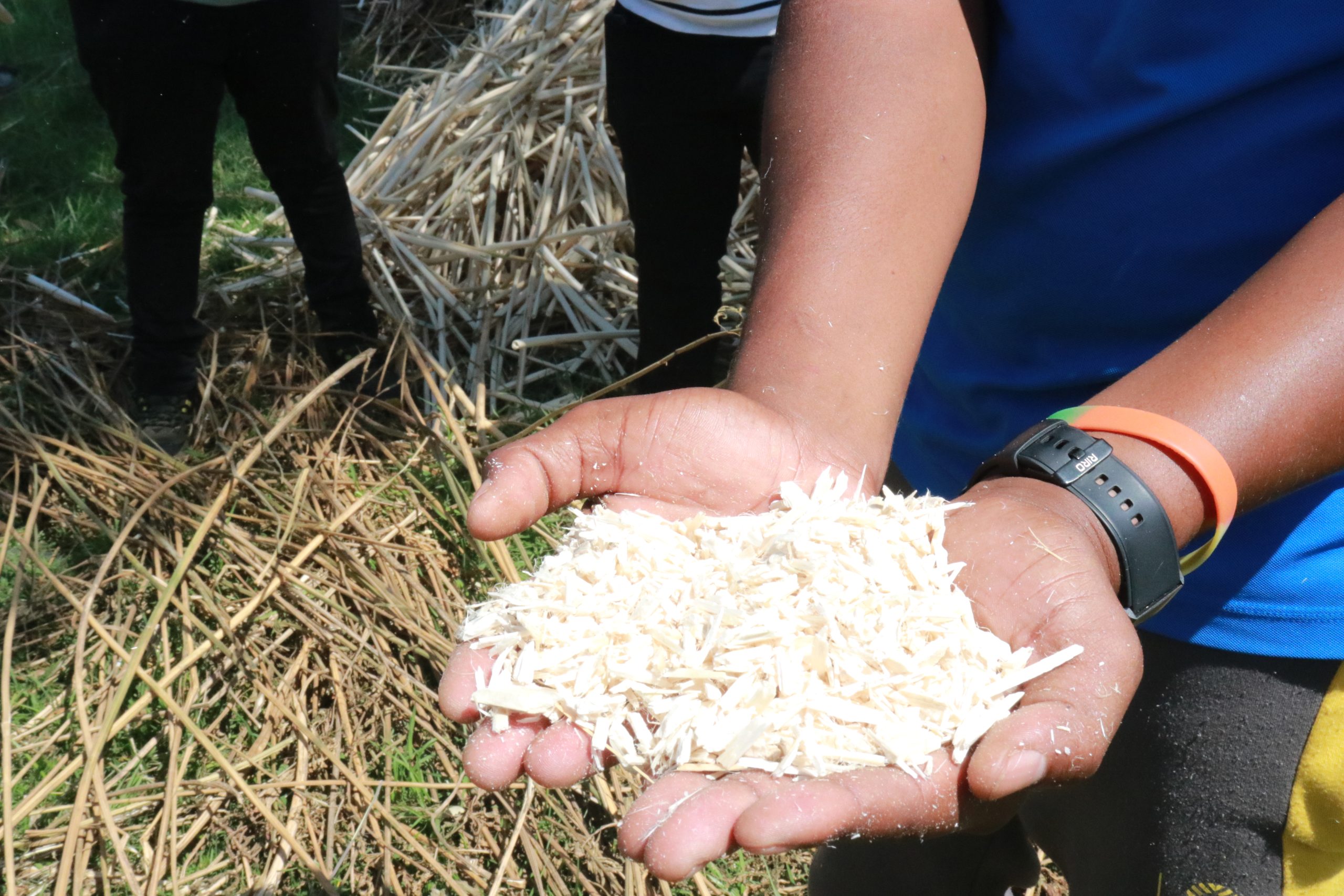
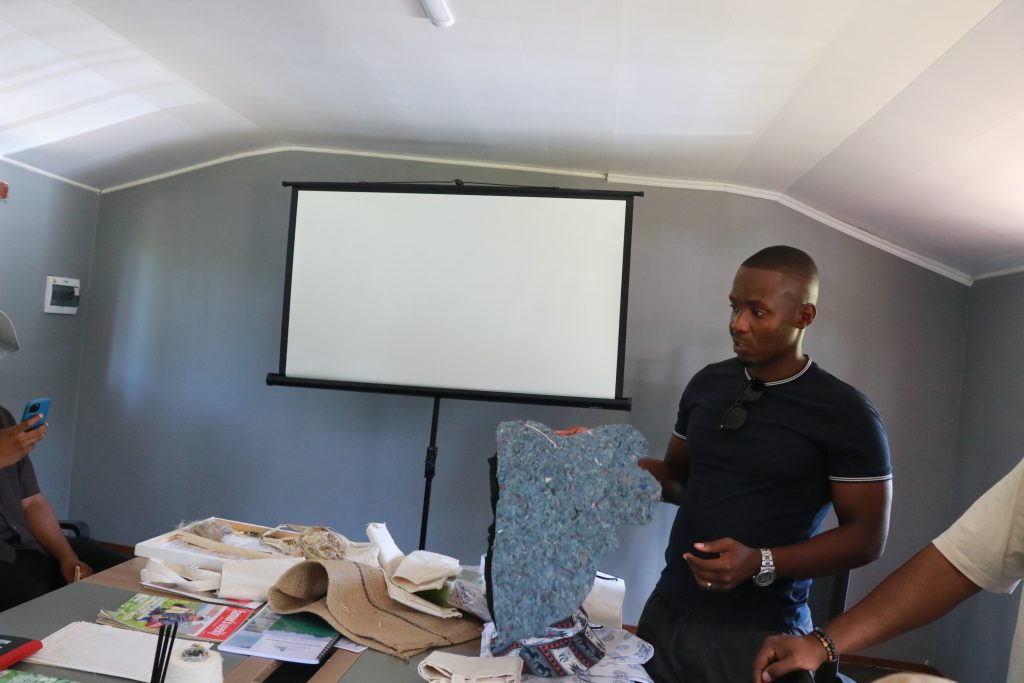
There are many uses for hemp, including but not limited to the production of textiles, hurd, paper, food, mulch, cosmetics, hemp-based building materials and other products. A practical example is Green Route Hemp Industries, a Gauteng-based company striving to establish a holistic hemp textile value chain, ensuring local sourcing, cultivation, processing, and production. From seed planting to final product, Green Route manages the entire value chain, ensuring that South African farmers and communities are at the centre of the process. Green Route has an extensive and highly specialised training program for farmers, business owners, and organisations called “We Train to Buy” through which they train interested parties on how to grow hemp for textiles. Farmers are trained to grow hemp to Green Route’s specifications, and Green Route purchases and pays them according to the quality of the crop they supply as a certified and skilled farmer from whom Green Route would buy or offtake. The Green Route training programmes are accredited by the Agricultural Sector Education Training Authority.
Seeds of hope for rural women
The visit to the Green Route farm, which included both the sharing of their planting and processing experiences and the exhibition of final hemp-based products, was both highly informative and inspirational. Hemp inspires hope, especially for small-scale rural farmers. The techniques of cultivating hemp, for example, are simple and require relatively low input, which is aligned with the principles of sustainable agriculture. This entails practical prospects for rural women who are small-scale farmers who often do not have access to inputs and other resources necessary for cultivation.
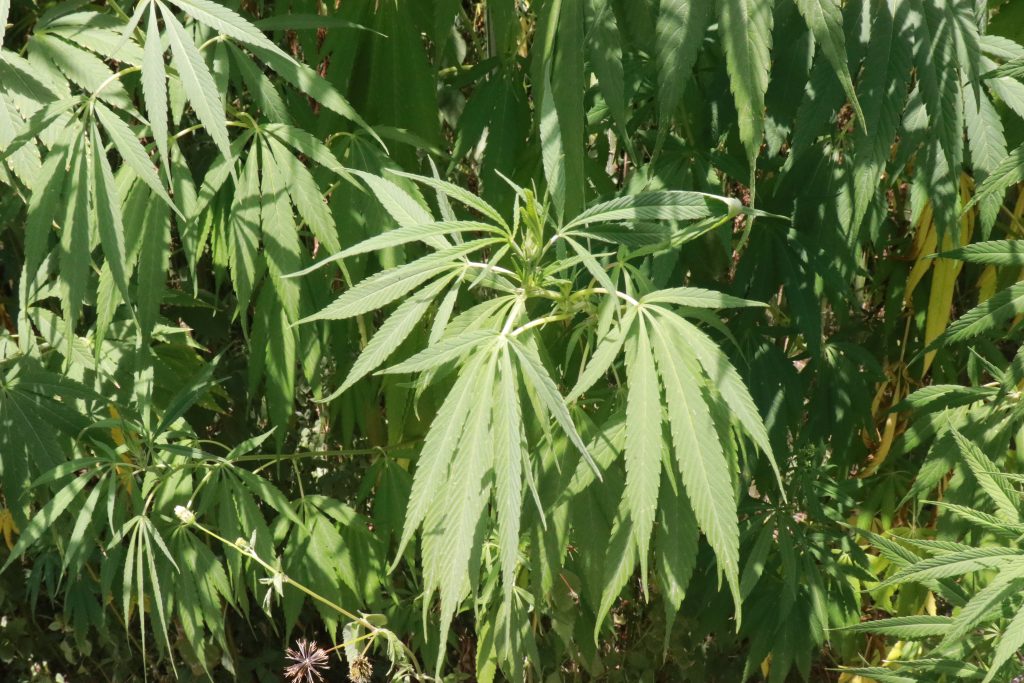
The Cannabis Master Plan of South Africa (CMPSA) estimates that the hemp industry generates between 10000 and 25000 jobs throughout the entire value chain, the result of which is 10 to 24 jobs created per hectare. In 2025, South Africa imported R2.41 million worth of hemp fibres, mainly from Morocco, China, and the UK, with smaller volumes from Poland, and a fast-growing source in Zimbabwe. The support for rural women in cultivating and processing hemp has the potential to sufficiently meet national demand, thereby eliminating the necessity of importing hemp while contributing significantly to job creation. This will help address the high unemployment rate in the country and alleviate rural poverty, particularly for women-headed households in rural areas where the majority of small-scale farmers are located.
Rural areas are plagued with a lack of economic opportunities, which leads to a heavy reliance on social grants as primary safety nets, informal trade, and remittances. As it stands, rural women contribute significantly to addressing food insecurity and unemployment through individual and communal strategies such as plant production in their households and as part of community groups. They therefore have the potential to participate in hemp production and partial processing in the same way.
Hemp production can draw lessons from cotton production in South Africa, where 70% to 90% of locally produced cotton is exported every year. In South Africa, cotton is cultivated across five provinces, namely KwaZulu-Natal, Limpopo, Mpumalanga, Northern Cape, and North-West, by about 150 commercial farmers and 1300 smallholder farmers. In a study conducted in Mpumalanga, Limpopo and Kwazulu-Natal, Black women account for the majority of smallholder cotton farmers, the majority of whom farm as cooperatives. The majority of smallholder cotton producers sell their cotton through ginners to cut down on the transport cost of getting the product to market. Smallholder hemp farmers who are based in rural areas can apply the same model to get their product to processing facilities that are often far from where they are located. With well-formulated strategies and adequate support structures, rural women are well-placed to pursue the production and partial processing of hemp and generate income from the hemp value chain.
Dr Tribute J. Mboweni–Agricultural Research Council (ARC)
Dr Siphe Zantsi–Agricultural Research Council (ARC)