

The neglected struggles of South Africa’s emerging commercial farmers
When discussing the land reform programme in South Africa, we often celebrate the number of beneficiaries who have finally gained access to land after years of waiting. The narrative is usually about transformation and empowerment, and rightly so. But on the ground, the story is far more complex. Access to land is only the beginning. For many land reform beneficiaries, the real struggle begins once the land is handed over to them.
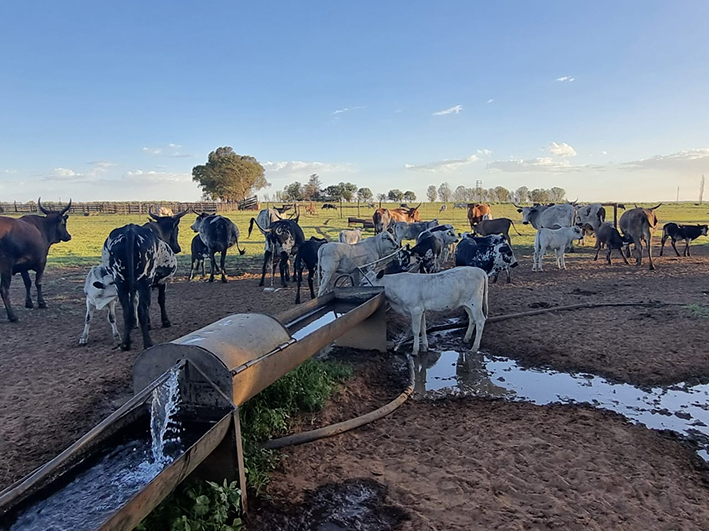
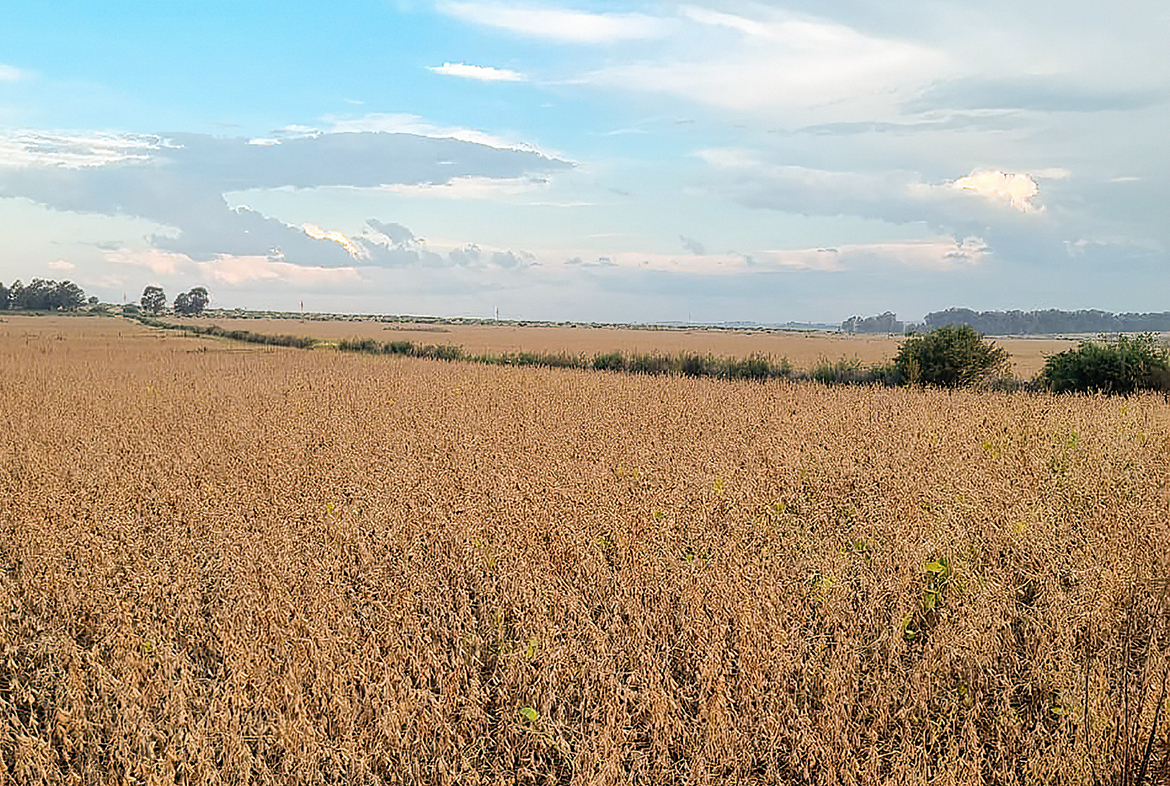
During a recent field trip to the Vaal Triangle region of the Gauteng Province, I met several land reform beneficiaries who, on paper, represent some of the most successful examples of black farmers in the country. Unlike many smallholders who sell irregularly to local hawkers or depend on informal outlets, most of these farmers have at least one formal contract with intermediaries or retailers. Some have even gone further, finding creative ways to make their operations more efficient. Lucerne, together with soya, is grown by some of the farmers with the intention of feeding their livestock (which is dominated mainly by cattle with a small mix of sheep and goat). The surplus feed is sold to nearby farmers. Additionally, the other benefit of having a mixed farming enterprise is that crop residues and surplus produce can be used to make animal feed for pigs, goats, and sheep. Their farms are not stories of failure, but rather stories of resilience and resourcefulness. Yet, beneath the visible progress lies a series of deep-rooted challenges that continue to limit their growth.
What I noted during the field trip to the farms is that most farmers lack proper farming implements and machines, such as Balers, Harvesters, and Harrows. However, some of the farms have these tools. However, they are not fully functional, as some show signs of needing critical repairs to be operational. As a result, farmers either have to abandon the commodity planned for cultivation or already cultivated due to the high costs associated with leasing the implements/tools required for cultivation, harvesting, and even storage, or have to rent this equipment at high leasing costs, thereby reducing some of their potential profits. A few farmers spoke about post-harvest losses that could have been avoided if they had cold rooms or simple sheds to keep their produce fresh before delivery. The grain farmers complained about the lack of capacity in nearby silos to store their grains until commodity prices are conducive enough to sell their produce. However, the situation is particularly harsh for those growing perishable crops, where a delay in collection or transport can mean the difference between profit and loss.
When we set aside the lack of proper storage infrastructure, irrigation becomes another concern for some farmers who do not receive irrigation water from a river source. A handful of the farmers expressed frustration at the inconsistency of water access, more especially during periods of drought or when rainfall is hard to predict. However, not all farmers face irrigation challenges that can be attributed to a lack of a nearby water source, but rather to inadequate irrigation equipment, such as faulty water pumps and leaky water pipes. Moreover, for those with the necessary and functioning irrigation equipment, maintaining their water pumps and purchasing diesel can be a significant challenge. Others depend solely on rainfall, which makes their production unpredictable. It is ironic that farmers, who possess the skills and determination to feed their communities, still struggle to secure the most basic element of farming: water.
In recent years, the Vaal Triangle has experienced a range of extreme weather events, including heatwaves, droughts, flooding, and wildfires. One farmer recounted how a sudden wildfire wiped out part of her grazing area, forcing her to buy feed for her livestock at a time when input prices were already rising. The farmer also went on to state that due to a lack of a grazing area owing to the wildfire, her cattle were forced to graze near a river and subsequently drowned. Another shared how a season of excessive rainfall led to crop losses due to waterlogging and disease. However, these circumstances are not entirely isolated, as climatic distress has become more frequent and unpredictable, making it difficult for farmers to plan their planting seasons and manage costs effectively.
Despite these difficulties, the farmers I met were anything but pessimistic and did not seem weighed down by their circumstances. The farmers highlighted that they rely on diversifying their enterprises as a survival strategy, with some having incorporated livestock into their cropping systems. The farmers’ creativity shows that the problem is not a lack of determination or ambition, but rather a lack of adequate institutional support to help them move from survival mode to sustained growth. Although the Department of Agriculture collaborates closely with these farmers, it is undeniable that access to credit and financial services remains a significant challenge for them. While commercial banks are often reluctant to finance smallholder or emerging farmers without collateral, government funding schemes are slow and bureaucratic. Many beneficiaries or interested farmers who want to join the land reform programme find themselves stuck between the programme’s eligibility criteria and administrative delays. A few farmers I spoke with had applied for mechanisation support or grants but were still waiting months or even years for a response regarding their applications. In the meantime, their production seasons do not wait.
It is easy to assume that once land is transferred, transformation has been achieved. Yet, what I saw in the Vaal Triangle tells a different story. These farmers are succeeding not because the system works perfectly, but because they have learned to adapt despite it. They negotiate with intermediaries, manage small market contracts, and continually seek new ways to thrive in an environment that is both uncertain and unforgiving.
What stands out most is the contrast between their potential and their limitations. The land is there. The skills are there; the motivation is there; but without adequate infrastructure, reliable support services, and protection against climate risks, the promise of land reform will remain only half fulfilled. The next phase of land reform should focus less on redistribution and more on consolidation and sustainability. Supporting farmers with mechanisation, irrigation systems, and access to affordable finance would go a long way toward unlocking the full potential of these enterprises. There is also a need for localised extension support that helps farmers deal with the realities of climate variability. Too often, policy discussions about land reform are disconnected from the day-to-day experiences of the people who actually work the land.
As I left the Vaal Triangle, I could not help but feel a mix of admiration and frustration. Admiration for the farmers who continue to produce under challenging conditions, and frustration at how much more could be achieved if they had the right tools and infrastructure. South Africa’s land reform farmers have proven that they can compete and contribute to food security. What they need now is not just land, but the means to make that land truly productive.
Land, after all, is not an end in itself. It is the beginning of a much longer journey toward economic inclusion, dignity, and transformation.
Until we bridge the gap between land ownership and full agricultural productivity, the promise of land reform will remain incomplete.
Mishal Trevor Morepje
Research Assistant: Agricultural Research Council, Hatfield, Pretoria, South Africa