


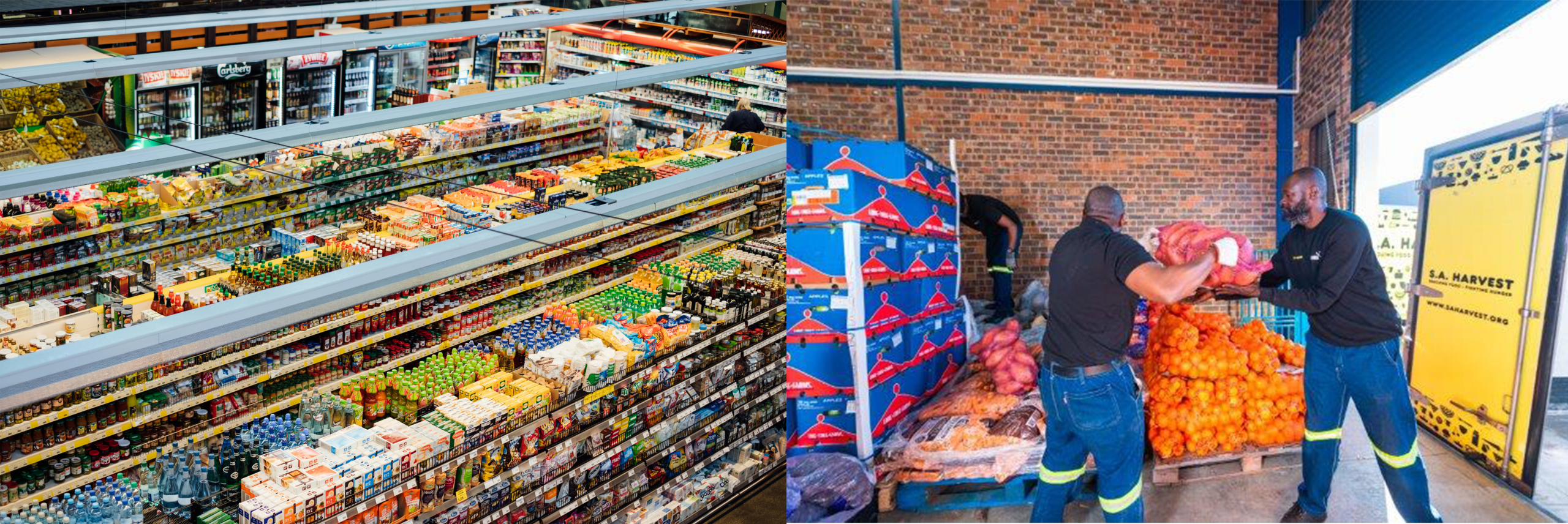
Why 20 million South Africans are hungry in a land of plenty.
South Africa produces enough food to feed its population. Yet between 14 million and 20 million people, nearly a third of the country, experience inadequate or severely inadequate access to food. This is the South African food paradox.
It is not a crisis of production. It is a crisis of access, affordability, and distribution. In a country with a highly sophisticated, globally competitive agricultural sector that consistently produces surpluses and exports at scale, hunger persists at alarming levels.
As of 2026, South Africa has moved beyond the acute shocks of the pandemic into a more entrenched, structural crisis. Stagnant economic growth and record-high unemployment are colliding with a food system that operates primarily on market-based principles, where food flows to where it can be bought, not necessarily where it is needed most.
The result is a widening gap between availability and access.
A system of “slow violence”
South Africa is facing a “double burden” of malnutrition, where undernutrition and overnutrition exist side by side, often within the same communities and households.
Stunting (low height-for-age) affects 29% of children under five, a figure that has remained unchanged for decades. This has long-term consequences, including impaired development and an estimated 3.5% reduction in national productivity.
At the same time, wasting, a form of acute and life-threatening malnutrition, has doubled from 2.5% in 2016 to 5% in 2024. South Africa now ranks among the top ten countries globally for absolute numbers of severe wasting.
Alongside this, obesity is rising rapidly. Around 30% of adults and 23% of young children are overweight or obese, driven in part by limited access to affordable, nutritious food and the widespread availability of cheaper, calorie-dense, ultra-processed options.
This coexistence of hunger and poor nutrition reflects deeper systemic issues in how food is accessed and consumed.
Why “cheap” food comes at a cost
The roots of this paradox are tied to structural shifts in the agricultural sector following the Marketing of Agricultural Products Act of 1996. Market liberalisation transferred much of the control of the food system from the state to a concentrated group of private retailers.
Over time, this has reshaped food environments and pricing dynamics. Retail margins that were once between 1% and 5% for products like milk have increased significantly, reaching between 15% and 30% in the early 2000s.
For staple foods, the impact is even more severe. Reporting from the SAHRC public discourse indicates that retail margins on maize meal, a key source of calories for many households, have reached as high as 637%.
In this context, affordability becomes a central barrier. The price of basic food items is no longer determined only by production costs, but by the structure and incentives of the broader retail system.
The 10-million-tonne waste reality
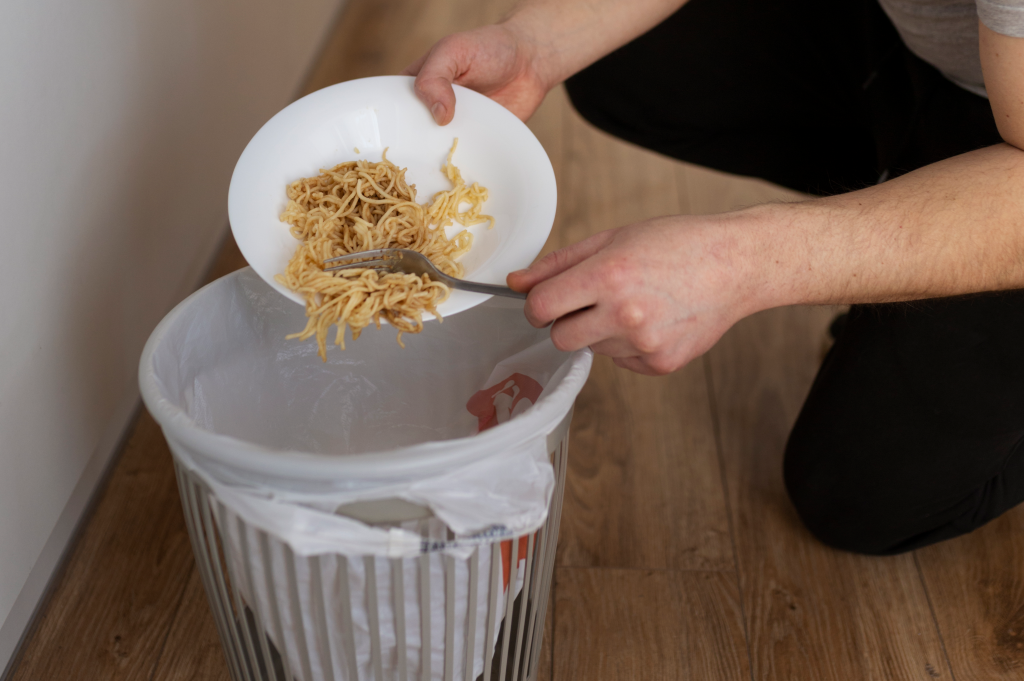
At the same time, South Africa wastes an estimated 10.3 million tonnes of edible food every year, roughly one-third of total production.
This discarded food is valued at approximately R67 billion and could equate to as many as 20 billion meals if even half of it were recovered.
Much of this waste is driven by commercial standards that prioritise appearance, shelf life, and stock turnover, resulting in edible food being discarded before it can reach those who need it.
The contrast is stark: while millions face hunger, large volumes of food are removed from the system before consumption.
A safety net under pressure
South Africa’s social protection system plays a critical role in addressing poverty, but it is increasingly under strain.
The Child Support Grant currently sits at R560 per month, while the National Food Poverty Line is R796. This creates a monthly shortfall of R236 per child, highlighting a gap between available support and the minimum required for basic nutrition.
The National School Nutrition Programme provides meals to around 9 million learners each day. However, this support is not continuous throughout the year, and many children lose access to regular meals during school holidays.
Together, these gaps contribute to ongoing food insecurity, particularly among vulnerable households.
The deagrarianization challenge
Small-scale and subsistence farming are often positioned as part of the solution to food insecurity. However, broader structural challenges are limiting their viability.
A trend of “deagrarianization” is emerging, with younger generations moving away from agriculture. This reflects not only changing aspirations but also the practical realities of farming in a constrained environment.
Limited access to infrastructure, declining state support services, high input costs, and ongoing challenges related to transport, logistics, and energy supply have made farming increasingly difficult, particularly for smaller producers.
In many communities, farming is no longer seen as a sustainable or attractive livelihood.
From charity to constitutional imperative
South Africa’s Constitution recognises the right to sufficient food, yet the current system continues to fall short in realising this right.
Responsibility for food security is spread across multiple government departments, contributing to fragmented implementation and limited accountability.
Following the SAHRC inquiries in 2026, there have been renewed calls for a more coordinated, rights-based approach. This includes proposals for a Right to Food Act and the establishment of a unified Food and Nutrition Security Council.
Ensuring consistent access to food requires not only policy reform, but also a more integrated approach to how food moves through the system.
South Africa’s food system presents a clear contradiction. The country produces enough food, yet millions remain food insecure.
Closing this gap will depend on how effectively availability can be translated into access.
Cassandra Potgieter, Head of Strategy, Marketing and Communication, SA Harvest