


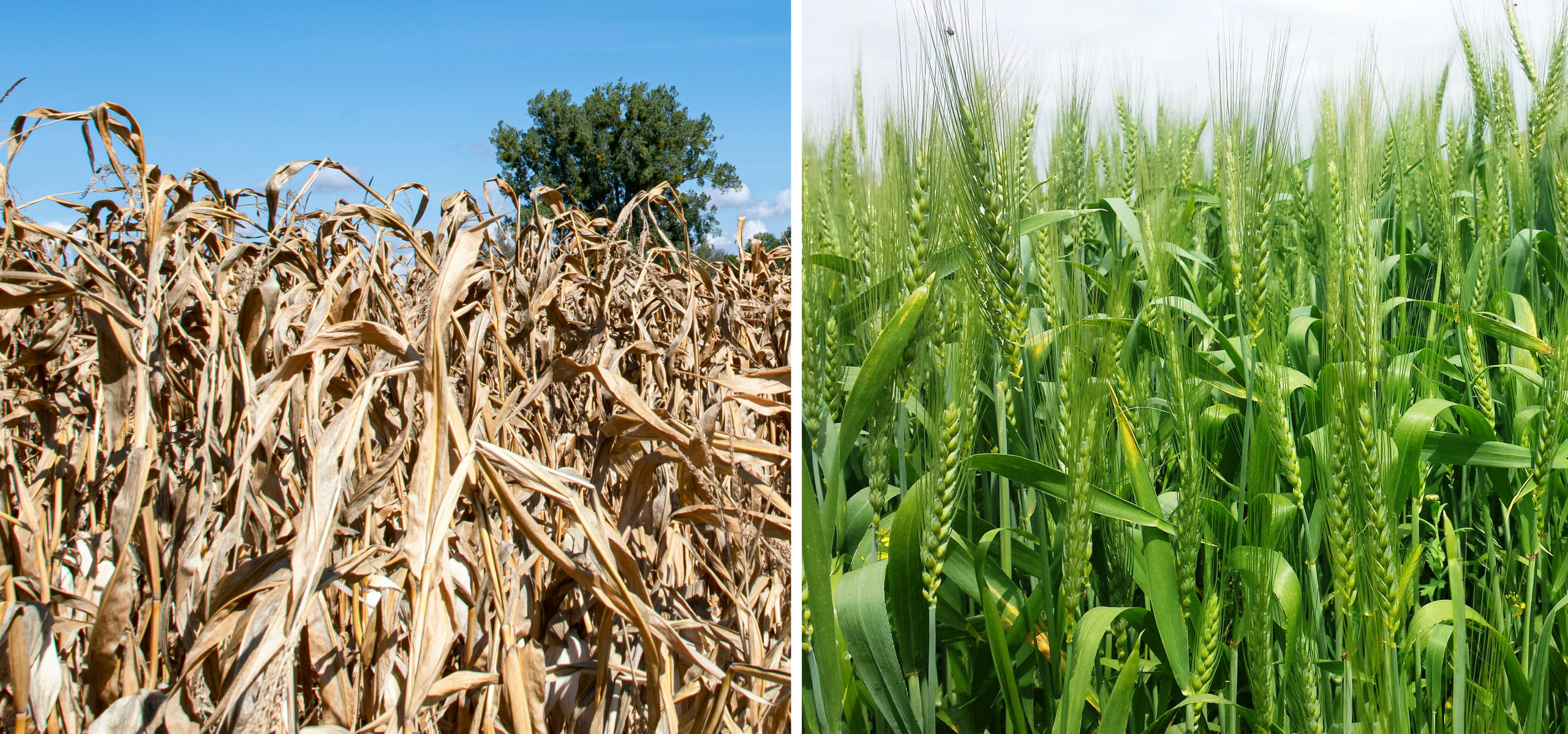
Why managing risk is becoming as important as growing crops.
South African agriculture has always been a long game. Farmers plan seasons ahead, manage unpredictable weather, and absorb price swings as part of daily business. Over the past few years, however, the sector has been tested like never before. Drought, load‑shedding, animal disease outbreaks and logistics failures have forced producers and agri‑food businesses into a constant state of adaptation.
Against this backdrop, the recent recovery in agricultural output is encouraging. Improved rainfall, strong harvests in key crops and steady demand have stabilised parts of the value chain. The benefits have flowed beyond farms into feed producers, processors, packhouses and retailers. Yet the lesson from recent history is clear: good production years do not automatically translate into long‑term security.
One positive development has been the arrival of foot‑and‑mouth disease vaccines in South Africa. After repeated outbreaks disrupted livestock movement, exports and abattoir operations, vaccines bring renewed confidence to cattle, feedlot and meat‑processing operations. Preventative action of this nature reduces uncertainty and allows producers to plan, something the sector has sorely missed.
But disease and weather are only part of the risk picture. As agriculture becomes more integrated with processing, trading and export markets, financial risk is moving closer to the farm gate. Longer payment terms, new buyers and volatile global conditions are increasing exposure to late payment and buyer default, risks that are often underestimated during good seasons.
Farmers are among the best risk managers we work with. They understand volatility better than most industries. The challenge is that credit risk is less visible than a drought or disease outbreak, but when it materialises, the impact can be just as severe.
For agri sector businesses, one unpaid invoice can quickly erode cash flow, delay input purchases or restrict planting decisions. This is especially true for exporters and producers supplying large processors, where volumes are high and margins tight. As value chains grow more complex, the question is not whether credit risk exists, but how it is managed.
Trade credit insurance is increasingly part of that conversation. Used correctly, it does not replace relationships or sound credit control but supports them. It provides insight into buyer risk, protects receivables against default and helps businesses trade with greater confidence, particularly when entering new markets or expanding supply contracts.
Coface, a global trade credit insurance company with deep local insight, works alongside agribusinesses to help keep their world open, enabling trade to continue even as risks evolve across markets and value chains. By providing intelligence on buyer risk and protecting cash flow, Coface supports growth that is both confident and sustainable. The goal is not to stop companies from growing, but to enable growth in a way that protects cash flow and long‑term sustainability.
The South African agri‑food sector has proven it can absorb severe shocks. The task now is to convert resilience into durability by combining sound production practices with proactive risk management – across biosecurity, logistics, trade and finance. After years of firefighting, agriculture is entering a phase where prevention and protection matter as much as output. The outcome will not only be better harvests, but stronger businesses, the yield that truly sustains the sector.
Abdul Vally, CEO, Coface South Africa